October 1, 2026
Boat Trailer Bearings and Salt Water: Avoiding a Breakdown on the Way to the Ramp
Ask anyone who has towed boats in Florida for a while, and they probably have a story about a wheel bearing failing on the shoulder of a busy road. Trailer bearings are small, inexpensive parts, but when they fail, they can take a hub, a spindle, or even the whole wheel with them. Salt water is the main reason they fail here.
Why hot bearings pull in salt water
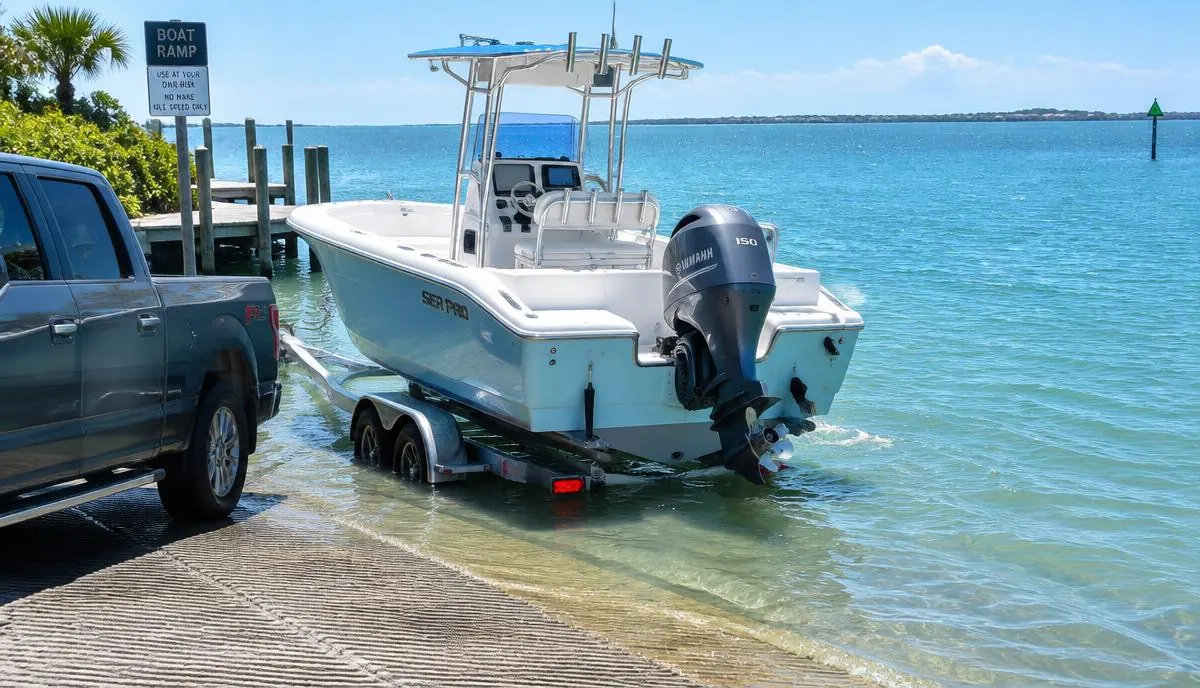
On the drive to the ramp, your wheel bearings heat up from friction, and the air inside the hub expands. Then you back the trailer into the water. The hub cools suddenly, the air inside contracts, and that creates a slight vacuum. The vacuum pulls water past the seal and into the hub.
In fresh water that is bad enough. In salt water, it leaves salt behind as the hub dries, and salt plus moisture plus steel is a recipe for rust. Rust on bearing surfaces creates pitting, pitting creates heat, and heat eventually leads to failure.
Rinsing habits that help
Rinsing the trailer after every saltwater launch is the single easiest habit you can build. Use plenty of fresh water and pay special attention to the hubs, brakes, springs, and frame. Many ramps have a rinse station, and a garden hose at home works too.
Some trailers have built-in flush kits for the brakes. If yours does, use it every time. Salt left in brake assemblies causes them to seize or drag.
If possible, let the hubs cool for a few minutes before backing into the water. It will not stop the cooling effect completely, but it helps.
Bearing buddies and grease
Bearing protectors, often called bearing buddies, replace the standard dust cap and keep the grease inside the hub under light pressure. That pressure helps keep water out when the hub cools. They are popular on Florida trailers for good reason.
They are not a substitute for maintenance. Overfilling them can push grease past the inner seal and onto the brakes. A little grease added regularly is better than pumping in a lot all at once. The bearings still need periodic inspection and repacking, because protectors slow water intrusion but do not stop it completely.
How to spot a failing bearing on the road
- Stop at a safe place after the first stretch of driving and carefully hold your hand near each hub. A hub that is much hotter than the others is a warning.
- Listen for a grinding, growling, or rumbling sound that changes with speed.
- Look for grease slung on the inside of the wheel or the fender.
- Notice any wobble in the wheel or the trailer pulling to one side.
- Smell for hot grease or burning near the wheels.
If one hub is clearly hotter than the rest or you hear grinding, do not keep driving at speed. A bearing that is starting to fail can lock up or let the wheel come loose.
Checking for play at home
With the trailer safely jacked up and supported, grab the tire at the top and bottom and try to rock it. Any noticeable play or clunking can mean worn or loose bearings. Spin the wheel by hand and listen for roughness or grinding. A healthy bearing spins smoothly and quietly.
What to carry on the trip
- A spare tire that fits the trailer, properly inflated.
- A jack and lug wrench that work on the trailer, not just your truck.
- A grease gun for your bearing protectors.
- A spare bearing kit with seals, if you are comfortable using it.
- Gloves, a flashlight, and a few rags.
Many owners carry a complete spare hub already packed with bearings. Swapping a whole hub on the roadside is often easier and faster than replacing bearings.
Don't forget the lights and tires
Bearings are not the only part that salt attacks. Trailer lights and wiring corrode from the same dunking, and tires age in the sun even when the tread looks good. A quick walk-around before each trip catches most problems before you are on the road.
When to call a pro
Have your trailer bearings inspected and serviced on a regular schedule, especially if you launch in salt water often. Do it sooner if you notice a hot hub, play in a wheel, grinding noises, or grease where it should not be. And if your outboard needs attention between launches, call (888) 720-9289 and we will come to your dock, lift, or driveway.
Need a hand? We come to your dock.